
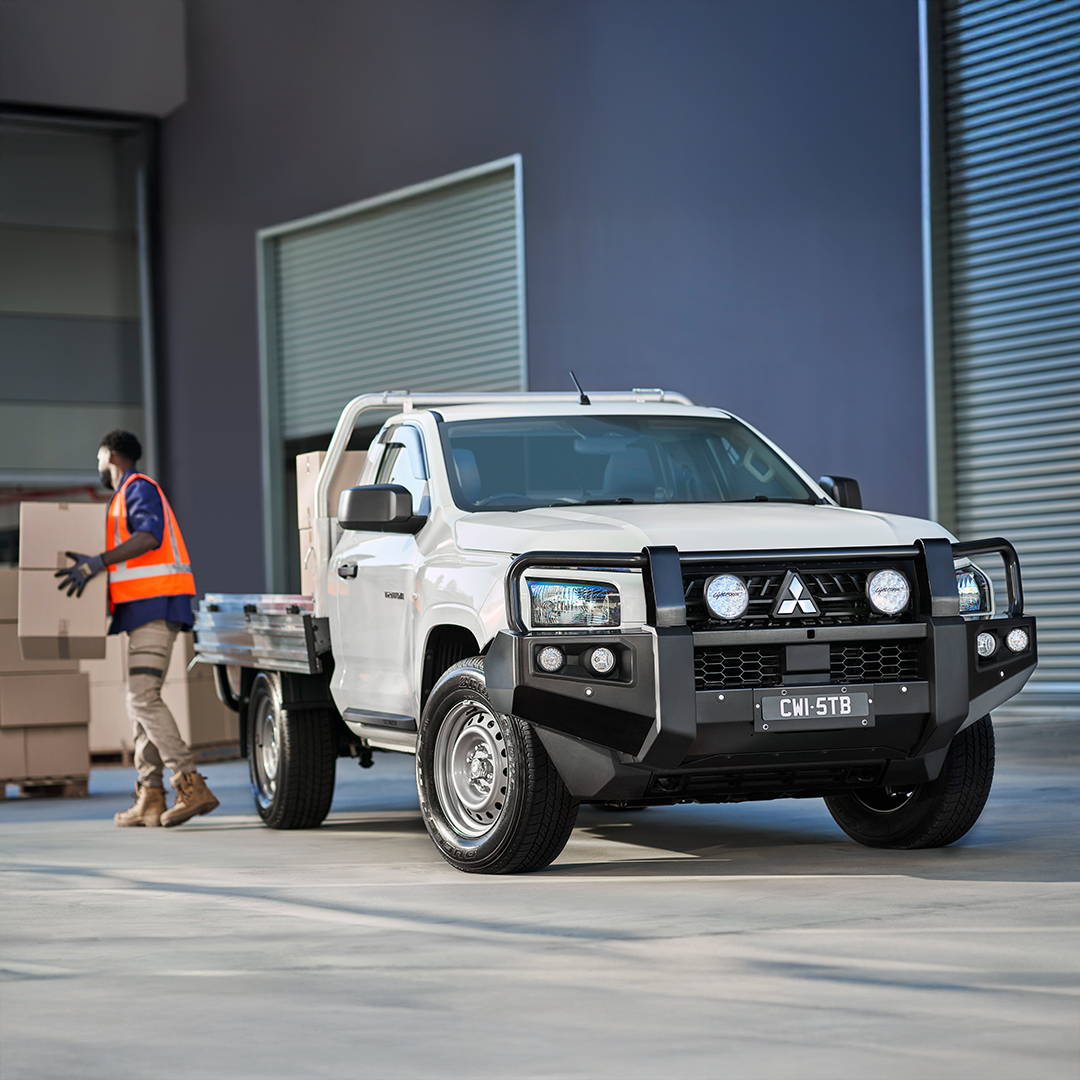
Ute Safety for Tradies: Essential Tips for Workplace Safety and Load Management
Every year in Australia, workplace vehicle incidents result in serious injuries and fatalities that could have been prevented. According to 2023 figures from Safe Work Australia, vehicle-related incidents account for more than 40% of all workplace fatalities , with many involving tradies and their utes . Behind each statistic is a family, a business, and a livelihood that could have been protected with proper safety practices.
Your Mitsubishi Triton isn't just a vehicle - it's your mobile office, workshop, and lifeline to earning a living. Prioritising ute safety protects more than just your physical wellbeing; it safeguards your ability to provide for your family, keeps your business running smoothly, and ensures compliance with increasingly strict workplace safety regulations. The good news? Many ute-related incidents can be preventable.
Understanding Load Management
Ute Load Capacity Fundamentals
Your Mitsubishi Triton’s Gross Vehicle Mass (GVM) is the maximum total weight your vehicle can safely carry, including the vehicle itself, passengers, fuel, and cargo. Think of it as your ute's weight limit -exceed it, and you're not just risking a fine, you're compromising your safety and that of other road users.
To calculate your available payload, subtract your ute's kerb weight (the vehicle's weight when empty with a full tank of fuel) from the GVM.
Example: Mitsubishi Triton GLX+ Double Cab Cab Chassis
- GVM: Approximately 3,200 kg (This can vary slightly by variant, always check your specific Triton's compliance plate or owner's manual).
- Kerb Mass: Approximately 1,991 kg (Again, check your specific model).
- Calculated Payload: 3,200 kg (GVM) - 1,991 kg (Kerb Mass) = 1209 kg
This means your Triton GLX+ Double Cab Cab Chassis has a maximum payload of 1209 kg. Remember to include the weight of passengers, your heavy-duty toolboxes, and any permanent modifications like canopies or bull bars when calculating your cargo capacity. Always consult your specific Triton model's specifications for precise GVM and kerb weight figures.
Legal implications of overloading are serious. In Australia, penalties can include fines exceeding $3,000 for individual drivers, with higher penalties for repeat offenders. More concerning than fines is the increased risk of accidents, reduced braking effectiveness, and potential insurance claim rejections if an incident occurs while overloaded.
Weight Distribution Best Practices
Even weight distribution is critical for safe handling. Place heavier items low and towards the centre of the tray, keeping the centre of gravity as low as possible. This improves stability during cornering and reduces the risk of rollover incidents. Front-to-rear balance affects steering and braking—too much weight at the rear can cause the front wheels to lose traction, while too much weight forward can overload the front suspension.
Avoid loading all heavy items on one side of the tray. Uneven side-to-side weight distribution can cause unpredictable handling, particularly when cornering or in crosswinds. If you must carry uneven loads, compensate by adjusting your driving style, reducing speeds and be extra vigilant when behind the wheel.
Consider dynamic weight shifts during transport. Loose items can slide during braking or acceleration, potentially shifting your vehicle's balance at the worst possible moment. This is why proper load restraint is non-negotiable.
Load Restraint Systems
All loads must be restrained to prevent movement in any direction. This isn't just about preventing items from falling off - it's about maintaining vehicle stability and control.
Ratchet straps are your most versatile tool, but choose them based on their Safe Working Load (SWL) rating. A general rule is to use restraints with a combined SWL equal to at least half the weight of your load. Always inspect straps for cuts, fraying, or weakened stitching before use.
Cargo nets work well for lighter, numerous items but should be used in combination with straps for heavier loads. Load barriers and headboards prevent cargo from sliding forward into the cabin during sudden braking—a potentially life-saving feature.
The Mitsubishi Triton include s multiple tie-down points throughout the tray, designed to handle substantial loads when used correctly. Always use these designated anchor points rather than improvising with other vehicle components.
Step-by-Step Load Securing:
- Position heavier items first, placing them low and forward in the tray
- Secure each item individually before adding the next
- Use straps at opposing angles to prevent movement in all directions
- Check strap tension—firm but not over-tightened to avoid damage
- Perform a final check by attempting to move items by hand
Securing Equipment
Theft Prevention Strategies
Tool theft costs Australian tradies millions annually, with many never recovering their stolen equipment. Prevention starts with secure storage solutions that make your tools difficult to access and less visible to opportunistic thieves.
Lockable aluminium toolboxes are a good option for secure storage. Choose boxes with multiple locking points and robust construction. Under-tray drawers provide hidden storage for smaller valuable tools, while maintaining full tray access for larger equipment.
Canopies offer weather protection and security but ensure they include proper locking mechanisms and are professionally fitted to maintain your ute's structural integrity. Some tradies prefer partial canopies that secure the front section while leaving rear access for longer materials.
Modern anti-theft technology adds extra protection layers. GPS tracking systems can help recover stolen vehicles and equipment, with some insurance companies offering premium discounts for vehicles fitted with approved tracking devices.
Equipment Protection and Organisation
Protecting tools from damage saves money and prevents job delays. Use foam padding or custom tool rolls for precision instruments and cutting tools. Store power tools in their original cases when possible, or invest in quality protective cases for frequently used equipment.
Weather protection is crucial for maintaining tool longevity. Even with a canopy, moisture can enter through gaps or be tracked in on clothing and materials. Silica gel packets in toolboxes help control humidity, while regular cleaning and light oiling prevent rust on metal tools.
Organisation systems improve efficiency and reduce the risk of damage from tools shifting during transport. Drawer dividers, tool holders, and custom foam inserts keep everything in its place. Consider colour-coding or labelling systems for quick identification, particularly if multiple people use the same ute.
Safe Driving Practices
Defensive Driving with Loads
A loaded ute behaves differently than an empty one. Increased weight means longer stopping distances, so increase your following distance accordingly. A good rule is adding one second of following distance for every 200kg of additional load.
Cornering requires reduced speeds and smoother steering inputs. The higher centre of gravity from loaded trays or canopies increases rollover risk, particularly when combined with sudden steering movements. Plan lane changes earlier and execute them gradually.
Visibility can be compromised with tall loads or canopies. Adjust mirrors before departure and be extra vigilant about blind spots. The Triton's available Multi Around Monitor[AD14] [KT15] system helps by providing a bird's-eye view around the vehicle, particularly useful when reversing in tight job sites or navigating busy depots.
Managing Distractions
Using a phone while driving remains a leading cause of vehicle incidents. Invest in a quality hands-free system and pull over for complex calls or text messaging. The Triton's intuitive infotainment system with Apple CarPlay® and Android Auto™ integration makes hands-free communication and navigation seamless, keeping your focus on the road.
Pre-trip planning reduces the need for navigation adjustments while driving. Familiarise yourself with the route, including any site-specific access requirements or restrictions. Download offline maps for areas with poor mobile coverage.
Fatigue management becomes critical during long workdays. Take regular breaks every two hours and recognise the signs of fatigue before they impair your driving. Coffee helps temporarily, but adequate rest is the only real solution.
Weather and Condition Adaptations
Wet weather dramatically increases stopping distances and reduces tyre grip. Reduce speeds and increase following distances even more than usual. Be particularly cautious on painted lines, metal surfaces, and loose gravel, which become extremely slippery when wet.
Strong winds affect loaded utes significantly, particularly those with canopies or tall loads. Crosswinds can push your vehicle sideways, while headwinds increase fuel consumption and reduce effective power. Reduce speeds and maintain a firm grip on the steering wheel.
Construction zones present unique challenges with narrow lanes, surface changes, and frequent stops. Reduce speeds and stay alert for changing conditions, workers, and other vehicles making sudden movements.
Workplace Safety Regulations
Australian Work Health and Safety Framework
The Work Health and Safety Act 2011 places obligations on both employers and workers to maintain safe workplaces, including vehicle operation. Under the chain of responsibility legislation, everyone from company directors to individual drivers can be held liable for safety breaches.
Employers must provide safe vehicles, proper training, and clear safety procedures. Workers have the right to refuse unsafe work and the responsibility to follow safety procedures and report hazards. Documentation is crucial—maintain records of safety training, vehicle inspections, and incident reports.
Site-Specific Safety Requirements
Different work sites have varying safety requirements. Construction sites typically require high-visibility clothing, hard hats, and safety boots, even when operating vehicles. Some sites mandate specific vehicle standards, such as reverse cameras or audible reversing alarms.
Communication procedures vary by site but often include radio protocols, designated travel routes, and check-in requirements. Familiarise yourself with site-specific rules before entering, and don't hesitate to ask for clarification if requirements aren't clear.
Regular Safety Inspections
Daily pre-start checks should become routine. Inspect tyres for damage and correct pressure, check fluid levels, test lights and indicators, and ensure load restraints are in good condition. This five-minute investment can prevent hours of delays and potential accidents.
Scheduled maintenance is your responsibility, regardless of who owns the vehicle. Keep detailed records of services, repairs, and safety equipment inspections. Many insurance policies require proof of regular maintenance for claims to be valid.
Identify and address wear issues before they become safety hazards. Worn tyres, damaged load restraints, and malfunctioning safety equipment should be replaced immediately. The cost of replacement is minimal compared to the potential consequences of equipment failure.
Taking Action for Safer Workplaces
Ute safety isn't just about following rules—it's about protecting your livelihood, your family's future, and your ability to continue doing the work you love. Every safety measure you implement reduces risk and demonstrates professionalism to clients and colleagues.
Start with the basics: understand your Triton’s capabilities, secure every load properly, and maintain your vehicle in top condition. Invest in quality safety equipment and use it consistently. Remember, the goal isn't perfection on day one, but rather continuous improvement in your safety practices.[KD16]
Your safety practices influence others in your industry. By setting high standards, you contribute to a culture where everyone goes home safely each day. This benefits the entire trades community through reduced insurance costs, fewer workplace incidents, and improved industry reputation.
The Mitsubishi Triton is engineered for the demands of the Australian tradie, combining legendary durability with advanced MiTEC safety features like Forward Collision Mitigation (FCM), Lane Departure Warning (LDW), and Adaptive Cruise Control (ACC) on many models. These technologies work alongside your safe driving practices to provide additional protection and peace of mind on every job. Visit your local Mitsubishi dealer to explore how the Triton's robust design and modern safety features can enhance your workplace safety, or book a test drive to experience these systems firsthand and see why the Triton is the tradie's choice.